What to Expect During the Restoration Process
People seeking storm restoration typically aim to repair damage and restore safety, and local service providers can handle assessments, repairs, and rebuilding to help them through the process.
Understanding what to expect during the restoration process can help property owners feel more prepared and confident when facing potential storm damage. Whether dealing with a recent storm or planning ahead, knowing the typical steps involved can reduce uncertainty and make the experience smoother. Local contractors who specialize in storm restoration are familiar with these procedures and can guide property owners through each phase, ensuring that repairs are handled efficiently and effectively.
For those in the area considering storm restoration services, gaining insight into the process can also clarify the role of local service providers. From initial assessments to final touches, these professionals work to restore properties to their pre-storm condition while managing the practical aspects along the way. Continuing to explore this topic can help property owners make informed decisions and understand how local experts are equipped to handle the challenges that come with storm-related damage.
- Roof damage repair - homeowners may need roof repairs after severe storms, and local contractors assess and restore roofing systems to protect the home.
- Siding restoration - storm impacts can cause siding damage, with service providers replacing or repairing siding to restore exterior protection.
- Window and door replacement - broken or shattered windows and doors during storms require prompt replacement by local pros to secure the property.
- Gutter and drainage repair - heavy rainfall can lead to gutter issues, and local contractors service and restore drainage systems to prevent water damage.
- Interior water damage restoration - flooding and leaks during storms may necessitate interior repairs, with service providers handling water extraction and drying processes.

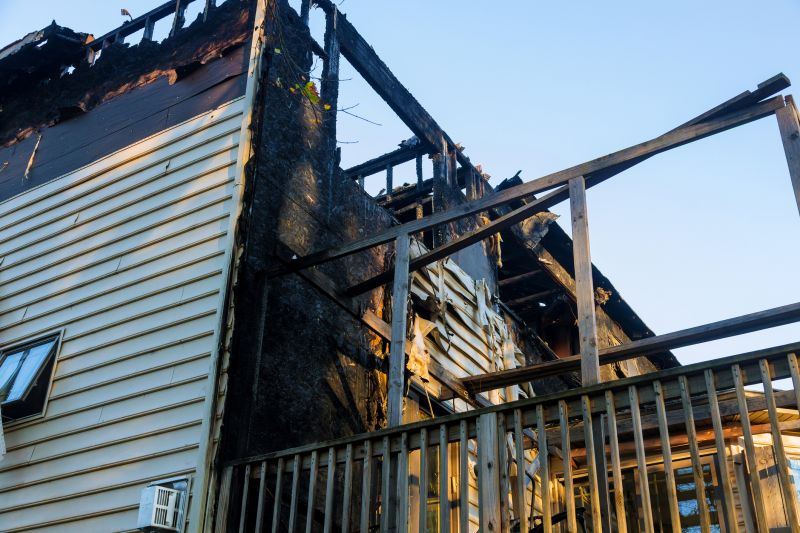
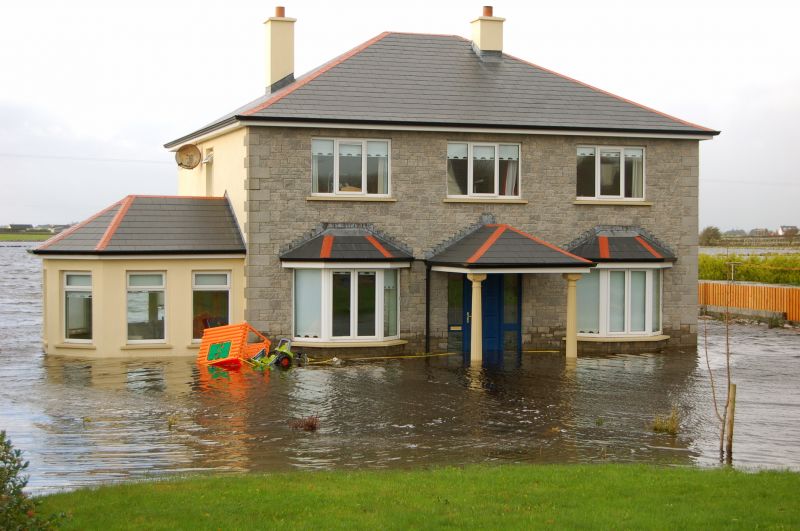
Understanding what to expect during the restoration process can help homeowners feel more prepared when dealing with storm-related property damage. When a severe weather event causes damage-such as roof leaks, fallen trees, or structural issues-restoration involves a series of steps to repair and restore the property to its pre-storm condition. Homeowners searching for this topic are often looking for clarity on how the repair work unfolds, what phases are involved, and how long the process might take. Knowing what to anticipate can also help in coordinating with local contractors who specialize in storm restoration, ensuring the project progresses smoothly and efficiently.
The restoration process typically relates to problems caused by weather events, such as wind, hail, heavy rain, or flooding. These issues can compromise roofing, siding, windows, and even the foundation of a property. Many property owners seek information about how repairs address structural integrity, water damage, and cosmetic concerns. Planning for restoration also involves understanding the scope of work needed-whether it’s patching a roof, replacing damaged siding, or addressing interior water intrusion. Local service providers who handle storm restoration are experienced in assessing these problems and developing tailored plans to restore the property's safety and appearance.
Properties that often come up in discussions about storm restoration include residential homes, multi-family buildings, and small commercial properties. Homes are the most common, especially those in areas prone to severe weather, because they often sustain visible damage like missing shingles, broken windows, or damaged gutters. Commercial properties may also require storm restoration services, particularly when their structural elements or exteriors are affected. Regardless of the property type, the restoration process generally involves initial damage assessment, securing the property, repairs, and final cleanup. Local contractors experienced in storm restoration can evaluate the specific needs of each property and carry out the necessary work efficiently.
During the restoration process, homeowners can expect a series of practical steps that aim to restore safety and functionality. This begins with an inspection to identify all damage, followed by securing the property to prevent further issues. Repairs then proceed, often including temporary fixes like tarping or boarding up openings, before moving on to permanent repairs such as replacing roofing, siding, or interior components. Throughout the process, communication with local service providers helps keep homeowners informed about progress and next steps. While every project is unique, understanding this general flow can make the experience less overwhelming and ensure the property is returned to its best condition with professional help.
Water Damage Restoration - this type of project involves assessing and repairing water intrusion, which requires understanding of structural drying and moisture control similar to storm damage repairs.
Roof Repair and Replacement - roof projects demand planning and the use of specialized tools to restore weatherproofing, aligning with the skills needed during storm restoration processes.
Structural Drying Services - these services focus on removing excess moisture from building materials, utilizing similar equipment and techniques as storm damage mitigation.
Mold Remediation - mold removal projects require careful planning and moisture management, paralleling the steps taken during storm-related restoration work.
Exterior Siding Repair - repairing or replacing damaged siding involves planning and material handling skills that are also essential in storm restoration projects.
Emergency Board-up Services - securing properties after storm damage involves quick planning and the use of protective materials, similar to initial storm damage response efforts.
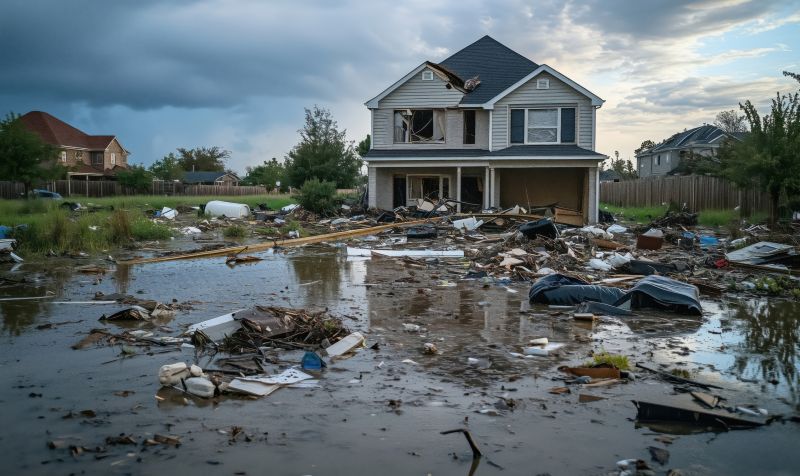
When evaluating storm restoration service providers, it is important to consider their experience with similar types of projects. Homeowners should seek out local contractors who have a proven track record of handling storm-related damages comparable to the specific issues they face. An experienced service provider will understand the common challenges associated with storm restoration and be familiar with the necessary steps to restore a property efficiently and effectively. This familiarity can help ensure the process proceeds smoothly, with fewer surprises or delays along the way.
Clear written expectations are a key factor when comparing local contractors for storm restoration work. Reputable service providers should be able to provide detailed documentation outlining the scope of work, materials to be used, and the estimated process from start to finish. This transparency helps homeowners understand what to anticipate during the restoration process and reduces misunderstandings or miscommunications. Well-documented expectations also serve as a useful reference throughout the project, helping to keep everyone aligned and informed.
Good communication and reputable references are essential when selecting local service providers. Homeowners should look for contractors who are known for their professionalism, responsiveness, and willingness to answer questions throughout the restoration process. Asking for references or reviews from previous clients can provide insight into how the contractor manages projects similar to storm restoration efforts. Clear, ongoing communication helps ensure that homeowners stay informed about progress and any potential issues, fostering a smoother experience during what can be a stressful time.
Property owners often search for what to expect during the restoration process when they are planning practical projects around their homes and businesses. Local pros provide Storm Restoration services for everyday jobs and straightforward project options.
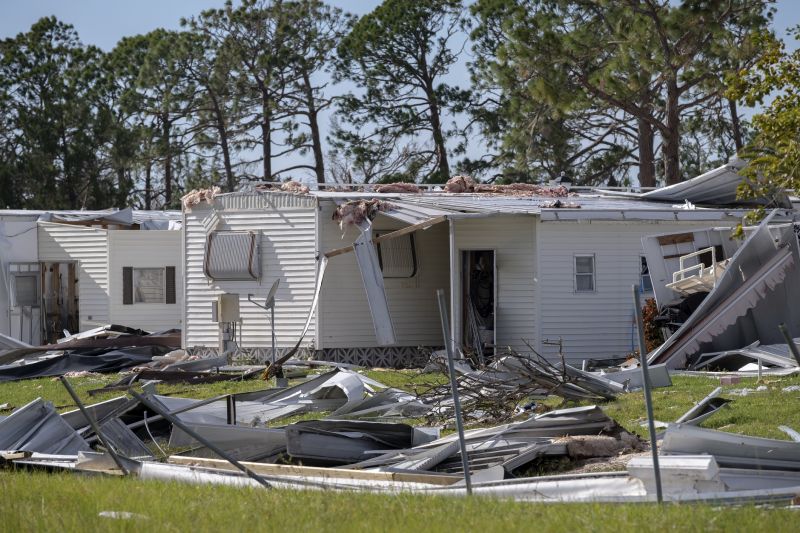

During the storm restoration process, property owners can expect a series of coordinated efforts by local contractors to address the damage caused by severe weather. Typically, the process begins with an assessment of the property’s condition, followed by the removal of debris and any compromised materials. This initial phase helps determine the scope of work needed to restore the property safely and effectively. As work progresses, local service providers often focus on repairing or replacing damaged roofing, siding, windows, and other affected structures, ensuring that the property is brought back to its pre-storm condition.
Throughout the restoration journey, property owners might observe various activities such as temporary protective measures, like tarping or boarding up, to prevent further damage. Clear communication from local contractors can help keep property owners informed about what to expect during the restoration process, including potential disruptions or temporary inconveniences. Engaging experienced service providers ensures that the work is performed efficiently, with attention to detail, and helps property owners navigate the process with confidence.
What should I expect during the restoration process after storm damage? During storm restoration, local service providers typically assess the damage, secure the property, and begin repairs or cleanup. They work systematically to restore your home’s safety and structure, keeping you informed throughout each phase.
How do local contractors handle the cleanup during storm restoration? Local contractors usually start with debris removal, water extraction, and drying. They use specialized equipment to prevent further damage and prepare the property for repairs, ensuring a thorough cleanup process.
What kind of repairs are common during storm restoration? Common repairs include roof repairs or replacements, siding fixes, window replacements, and addressing water or mold damage. Local service providers focus on restoring the home to its pre-storm condition.
Will I need to vacate my home during the restoration? In some cases, local contractors may recommend temporary relocation if extensive repairs are needed or if safety concerns arise. They aim to minimize disruption while ensuring the work is completed properly.
What steps do local service providers take to ensure the restoration is thorough? They typically perform detailed inspections, coordinate necessary repairs, and follow safety and quality standards. Clear communication helps keep homeowners informed about each stage of the process.
Assessment and Inspection - Local contractors will evaluate storm damage to determine the scope of restoration needed for your property.
Damage Repair Planning - Pros can help develop a practical plan to address structural issues and restore your home’s safety and integrity.
Material Selection and Preparation - Service providers can advise on suitable materials to match existing structures and ensure a smooth restoration process.
Restoration and Cleanup - Local experts will handle the repair work and clean up debris, helping your property return to its pre-storm condition.
If you are thinking about what to expect during the restoration process for a property, this guide is meant to help you understand this topic, the typical project types, and how different options might fit your plans.
When you are ready, you can use the quote form on this page to share a few details about your project. From there, local pros can review the basics and follow up with options that match what you have in mind.